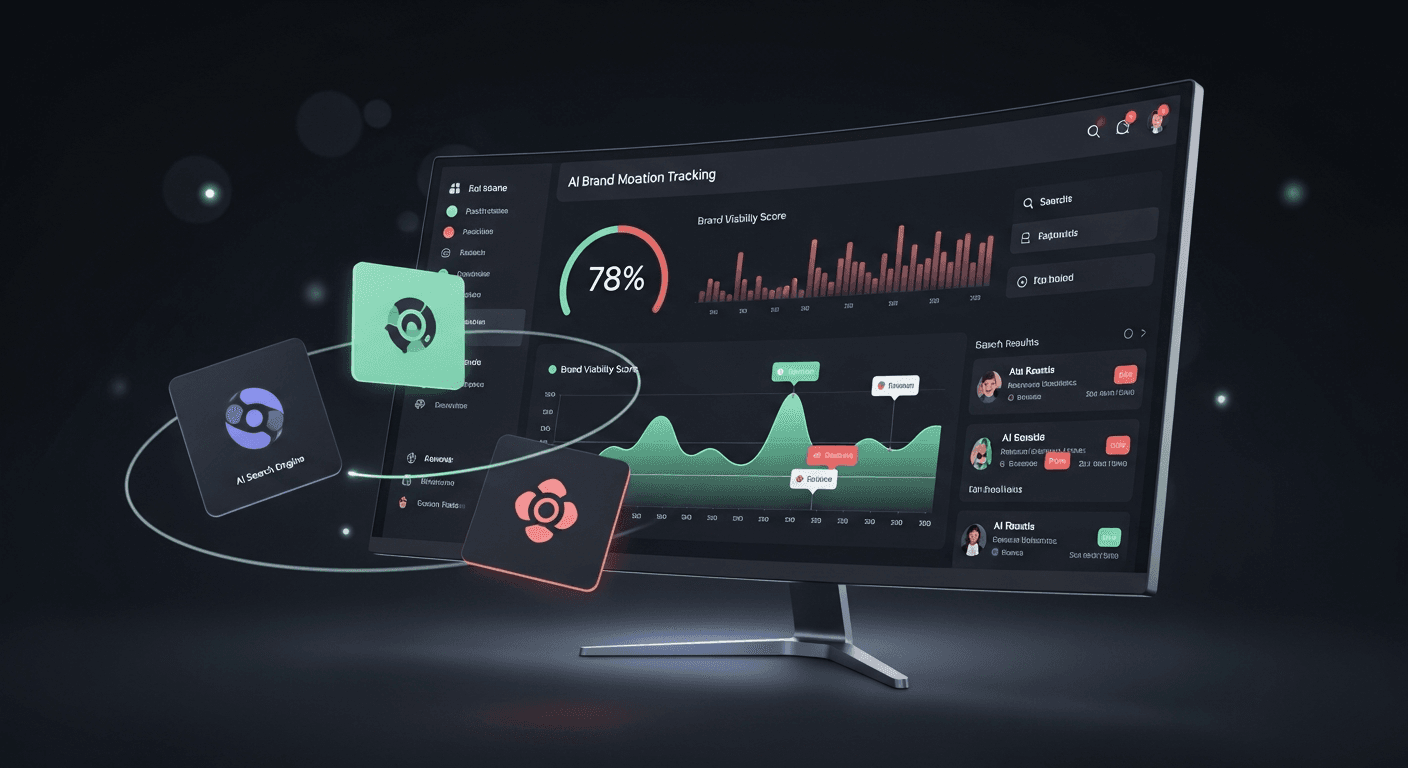
Varför övervakning av AI-sökning nu är absolut nödvändigt
BrightEdge analyserade miljontals AI-söksvar under 2025 och fann att 44 % av alla AI-frågor ger noll varumärkesomnämnanden — inte för att konkurrenterna är bättre, utan för att varumärken inte har optimerat för AI-citering (BrightEdge Research, 2025). Utan ett övervakningssystem kan du inte veta om du befinner dig i den osynliga gruppen på 44 % eller inte.
Mätningsgapet är verkligt. De flesta marknadsföringsteam spårar Google-rankningar, sociala omnämnanden och pressbevakning. Nästan ingen spårar om deras varumärke visas i de AI-svar som 900 miljoner ChatGPT-användare och 100 miljoner dagliga Perplexity-användare läser varje vecka. Detta är den största obevakade kanalen inom marknadsföring idag.
Affärsnyttan med övervakning är enkel. ChatGPT-referenstrafik konverterar vid 15,9 %, mot 1,76 % för Google organic (Seer Interactive, 2025). Varje AI-citering är en rekommendation från en högt betrodd mellanhand — och det förtroendet förs över direkt till ditt varumärke. Att bygga ett övervakningssystem är det första steget mot att göra anspråk på dessa rekommendationer.
Denna guide går igenom övervakning på tre kärnplattformar: ChatGPT (dominerande med 87,4 % av AI-referenstrafiken), Perplexity (snabbast växande, med den mest köpstarka tekniska publiken) och Google Gemini (integrerad i världens mest använda sökmotor, når 4 miljarder+ Google-användare). Senare täcker vi hur man kombinerar dem i ett enhetligt arbetsflöde.
Hur du övervakar ditt varumärke i ChatGPT-resultat
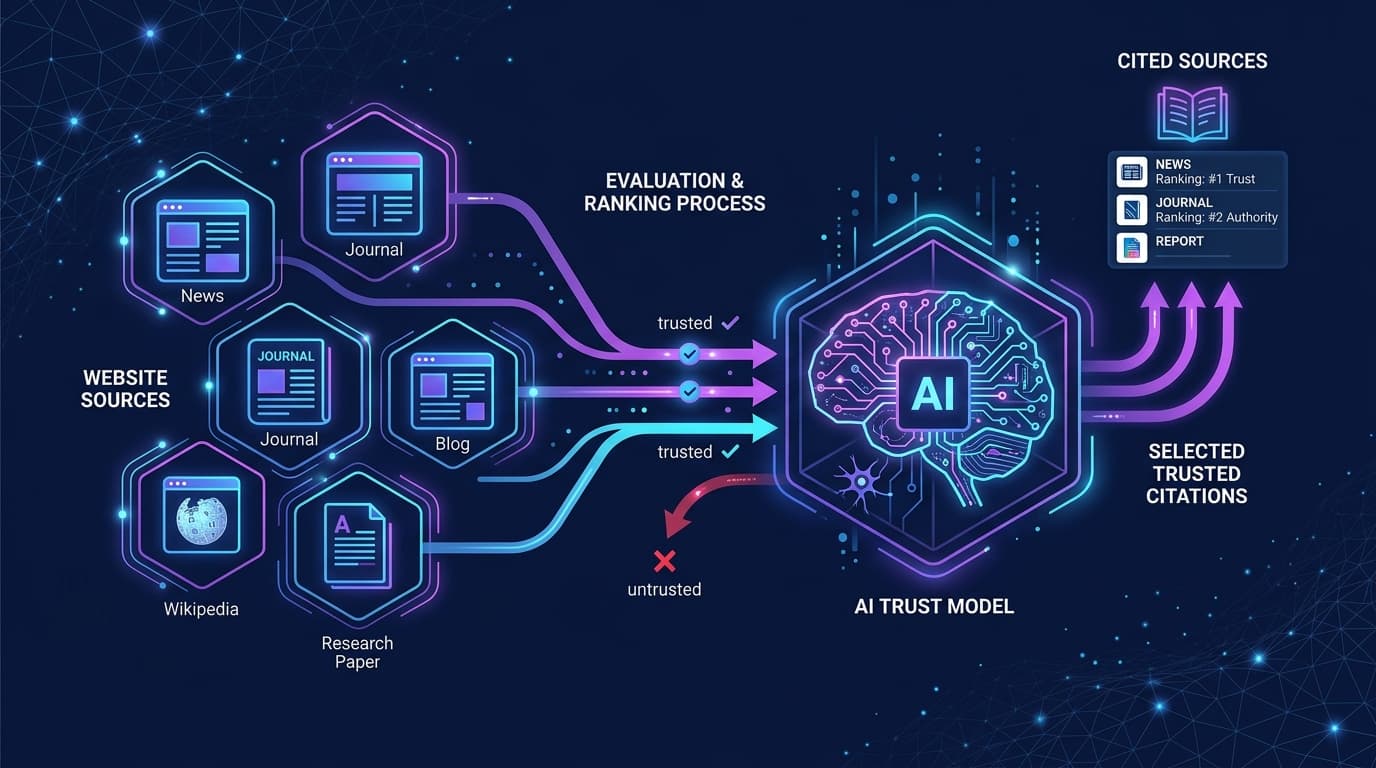
ChatGPT:s webbläsningsläge — tillgängligt på Plus-, Team- och Enterprise-planer — hämtar levande webbinnehåll för att komplettera dess träningsdata. Vid övervakning av ditt varumärkes närvaro i ChatGPT bör du testa både läget med webbsökning aktiverat och standardläget (endast träningsdata). Resultaten avslöjar två olika gap: gap i träningsdata och gap i realtidshämtning.
Manuell övervakningsmetod
Skapa ett kalkylblad med dina 20–30 viktigaste kundfrågor — de exakta frågorna dina köpare skriver in i Google eller ställer till en kollega. För varje fråga, klistra in texten i ChatGPT med webbsökning aktiverat och notera: (1) Nämns ditt varumärke? (2) Citeras det som en källa? (3) Vilka konkurrenter citeras? Kör denna granskning månadsvis och spåra förändringar över tid.
ChatGPT-citeringar visas som numrerade fotnoter (¹, ², ³) med källänkar. Ett omnämnande utan citering betyder att ChatGPT vet att ditt varumärke existerar men ännu inte litar tillräckligt på det för att citera det som en primär källa — detta är gapet som GEO-optimering stänger. En citering betyder att ChatGPT har hämtat innehåll från din webbplats och presenterat det som ett auktoritativt svar.
Automatiserad övervakning med Yozigo
Yozigos modul för AI-sökövervakning kör din frågeuppsättning mot ChatGPT, Perplexity, Gemini och Claude dagligen och samlar resultaten i en enda instrumentpanel. Istället för 30 manuella frågor per vecka får du automatiska varningar när ditt varumärkes citeringsfrekvens ändras, när konkurrentomnämnanden ökar eller när en ny frågetyp uppstår där du har noll närvaro.
Hur du spårar ditt varumärke i Perplexity AI
Perplexity AI hanterar 100 miljoner frågor per dag och växer snabbare än någon annan AI-sökplattform bland utvecklare, forskare och tekniska specialister (Perplexity AI, 2025). Dess publik har en oproportionerligt hög köpavsikt — personer som använder Perplexity undersöker aktivt ett ämne — vilket gör det till den mest värdefulla publiken för varumärken inom B2B SaaS, fintech och enterprise-mjukvara.
Perplexity-citeringsmodellen är mer transparent än ChatGPT:s. Varje svar listar sina källor i en sidomeny, och du kan klicka dig vidare till originalinnehållet. Detta gör granskningen enklare — du kan se exakt vilka sidor Perplexity citerar för dina målfrågor, och vilka konkurrenter som visas i dessa källistor.
Manuell övervakningsmetod
Öppna Perplexity.ai i läget 'Focus: All' och kör var och en av dina målfrågor. För varje svar: kontrollera källpanelen — finns din webbplats med? Läs svaret — nämns ditt varumärke? Klicka in i källorna — citeras dina sidor för sina viktigaste insikter? Exportera käll-URL:er månadsvis för att spåra hur dina sidor presterar.
Perplexity-specifik optimering
Till skillnad från ChatGPT belönar Perplexity uttryckligen nyligen uppdaterat innehåll. Sidor med tydliga publiceringsdatum citeras oftare. Perplexity föredrar också direkt, saklig text framför konversationspreget språkbruk. Överväg att lägga till ett 'Sammanfattning'-avsnitt högst upp på varje sida — en saklig sammanfattning på 150 ord utformad specifikt för AI-extrahering.
Hur du övervakar din närvaro i Google Gemini AI
Google Geminis integration i sökningen innebär att din synlighet i Gemini och din traditionella SEO-prestanda nu är direkt länkade. Google AI Overviews — som drivs av Gemini — visas i 47 % av alla sökningar och hämtar innehåll från samma sidor som rankas i traditionella resultat (SparkToro, 2025). Men att visas i ett traditionellt resultat garanterar inte att du kommer att citeras i AI Overview ovanför det.
Google Search Console är ditt första verktyg för övervakning av Gemini. Prestandarapporten innehåller ett filter för 'AI-översikter' (AI Overviews) som visar vilka frågor som triggade en AI-översikt som innehåller din sida, hur många visningar det genererade och resulterande klick. För de flesta webbplatser ger AI-översikter höga visningsvolymer men lägre klickfrekvens — eftersom AI-svaret ofta tillfredsställer frågan utan behov av klick.
Manuell övervakning för Gemini
Sök efter dina målfrågor i Google Chrome och leta efter AI-översikter. När en visas, kontrollera: Nämns ditt varumärke? Finns det en 'lär dig mer'- eller käll-länk som pekar på din sida? Citeras en konkurrent där du inte gör det? Dokumentera fynden i ditt månatliga övervakningskalkylblad tillsammans med ChatGPT- och Perplexity-resultat.
Gemini-specifik optimering
Google AI-översikter gynnar starkt sidor med FAQPage-schema, HowTo-schema och tydligt hierarkisk rubrikstruktur (H1 → H2 → H3). Om du har följt standardpraxis för SEO för strukturerad data är din grund för Gemini-synlighet redan lagd — det inkrementella arbetet är att se till att ditt innehåll direkt svarar på de frågor som triggar AI-översikter för dina måltoner.
Hur du optimerar din webbplats för citeringar i Perplexity AI
Perplexity citerar källor genom en hämtningsmekanism i realtid: den söker på den levande webben och sammanställer sedan ett svar från de hämtade sidorna. Din citeringsprestanda i Perplexity är främst en funktion av två saker: om dina sidor visas i dess webbsökresultat, och om ditt innehåll är strukturerat så att Perplexity:s sammanställningsmodell kan extrahera och citera det.
Den mest effektiva optimeringen för Perplexity-citeringar är vad experter kallar 'Passage-Level Answering' — att strukturera ditt innehåll så att varje H2-avsnitt innehåller ett självständigt stycke på 50–80 ord som fullständigt svarar på avsnittets fråga. Detta speglar Perplexity:s extraheringsmodell, som hämtar stycken snarare än hela sidor. En välstrukturerad sida ger Perplexity färdiga källblock.
Perplexity prioriterar också sidor med starka trovärdighetssignaler: HTTPS, snabba laddningstider under 2,5 sekunder, inga störande popups och inga hinder för samtycke till kakor som blockerar innehåll. Dess sökrobot behandlar all friktion mellan användarens fråga och sidans innehåll som ett misslyckande i kvalitetssignalen. Granska dina Core Web Vitals innan du optimerar texten.
Aktualitetsfaktorn spelar större roll för Perplexity än för någon annan AI-sökplattform. Perplexity märker uttryckligen ut källdatum och föredrar innehåll publicerat eller uppdaterat inom de senaste 6–12 månaderna. Skapa en kvartalsvis kalender för innehållsuppdateringar och prioritera att uppdatera dina sidor med mest trafik med aktuella statistiska uppgifter, exempel och datum. En sida från 2024 som uppdateras i mars 2026 kommer konsekvent att prestera bättre än en statisk sida från 2024 i Perplexity-citeringar.
Bygga ett enhetligt system för övervakning av AI-sökning
Ett praktiskt system för övervakning av AI-sökning för de flesta små och medelstora företag består av tre lager: en frågebank (de 30–50 viktigaste frågorna dina kunder ställer), ett veckovist manuellt testprotokoll (där du roterar genom 10 frågor per vecka på ChatGPT, Perplexity och Gemini) och en månatlig automatiserad rapport från ett dedikerat GEO-övervakningsverktyg.
För att bygga din frågebank
börja med dina 50 viktigaste frågor från Google Search Console. Lägg till dina vanligaste frågor från säljsamtal — de exakta orden som potentiella kunder använder. Lägg till konkurrentnamn plus ditt eget. Lägg till kategorifrågor som 'bästa [produktkategori]-verktyget för [användningsområde]'. Detta ger dig en frågeuppsättning på 40–60 frågor som representerar ditt konkurrenslandskap i AI-sökning.
För det manuella testlagret, skapa ett delat Google Sheet med kolumnerna: Datum, Plattform, Fråga, Varumärke nämnt (J/N), Varumärke citerat (J/N), Konkurrent nämnd, Anteckningar. Efter tre månader kommer du ha tillräckligt med data för att identifiera mönster — vilka frågetyper du dominerar, var du är osynlig och var dina konkurrenter har ett övertag i AI-sökning.
För automatiserad övervakning i stor skala kör Yozigos övervakningspanel din hela frågebank dagligen på alla stora AI-plattformar och varnar när din synlighet ändras. Dess funktion 'Citation Journey' visar inte bara om du citeras, utan vilka specifika sidor som hämtas och vilka innehållsdelar som citeras mest — vilket ger ditt innehållsteam precisa instruktioner för redigering.